
What is Medicaid?
Medicaid is a joint federal and state program providing health insurance coverage for individuals with limited income and resources. While the federal government sets baseline requirements, each state administers its own program. Medicaid is the largest US program offering health and long-term care coverage to approximately 78.6 million low-income adults and children or 1 in 5 people across the country.
Anyone who meets the eligibility criteria is eligible to receive Medicaid benefits. The federal baseline for adults is set at 138% of the Federal Poverty Level ($22,025 for one person and $37,702 for a family of three in 2026), though eligibility standards vary by population. Pregnant women, as well as individuals who are aged, blind, or disabled, are subject to distinct eligibility requirements depending on their state.
On June 1, 2026, the Center for Medicare and Medicaid Services (CMS) released an Interim Final Rule regarding the implementation of H.R.1 as it relates to Medicaid.
Why is Medicaid important to the rare disease community?
For the rare disease community, Medicaid is often the only insurance program that delivers the comprehensive coverage patients and families need. Rare diseases are typically complex and chronic, requiring ongoing care that spans diagnosis, treatment, medical equipment, home healthcare, and caregiving services.
A critical component of Medicaid coverage is Home and Community Based Services (HCBS), which allow patients—many of them children—to receive advanced care in their own homes rather than in institutional settings. This approach keeps families together while making the demands of caregiving more affordable and manageable.
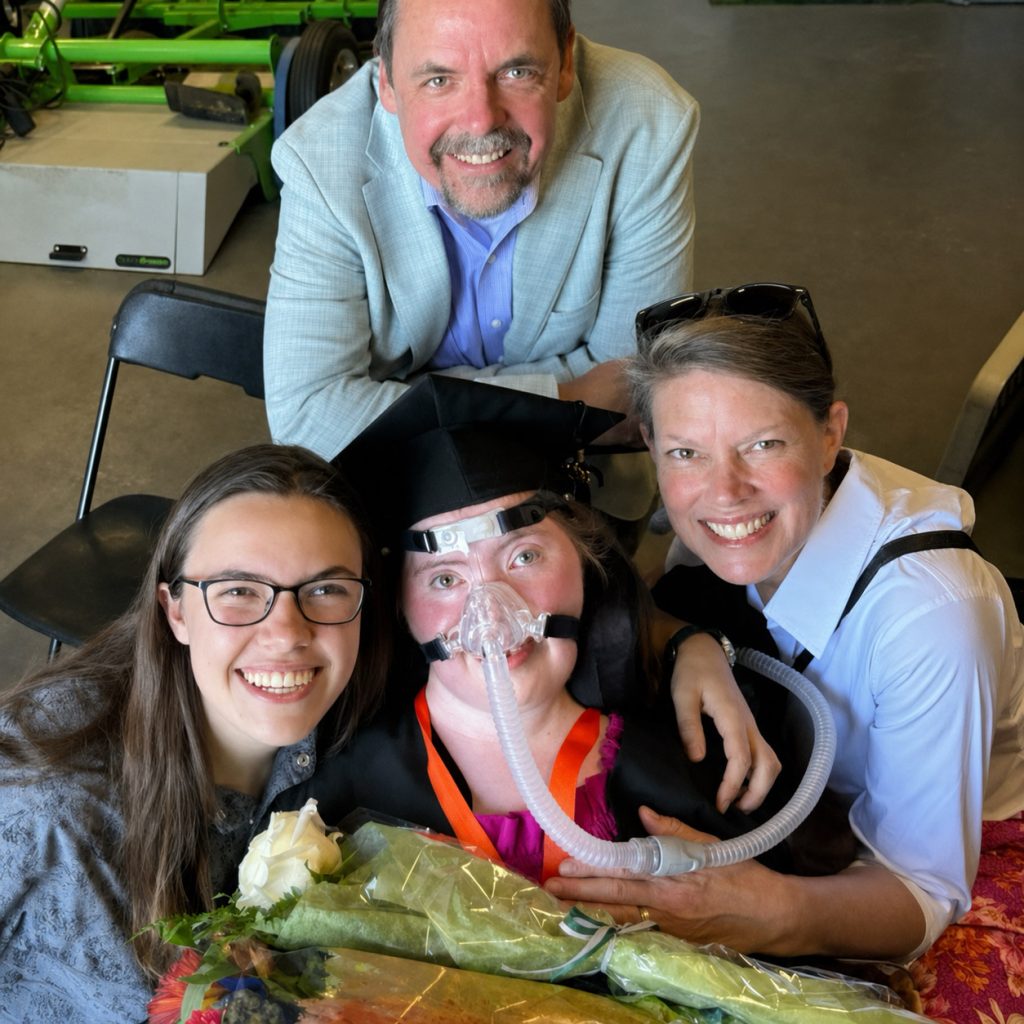
Medicaid has been critical in ensuring my daughter receives the specialized care she needs to survive and thrive. Medicaid provides access to therapies, equipment, and specialists that are not covered—or are only partially covered—by private insurance. For our family, it has meant access to life-changing services like physical therapy, vision services for her cortical visual impairment, and in-home nursing care when she was medically fragile.
Sky
Presley’s mom and Malan Syndrome parent advocate
Oklahoma

Take Action
Share Your Medicaid Story
When you share your story, you put a face to a budget line. Your voice can help prioritize Medicaid funding in your state.
How will H.R. 1 (the One Big Beautiful Big or OBBA) impact rare disease patients?
H.R. 1, the One Big Beautiful Bill Act (OBBA), is a federal reconciliation bill passed in mid-2025 that made significant changes to Medicaid. OBBBA will shift costs to states and impose new program requirements, resulting in an estimated 10 million people losing coverage. Key changes include:
- Work and Community Engagement requirements: Medicaid enrollees ages 19-64 applying for coverage in the Medicaid expansion group will be required to work or volunteer for 80 hours a month starting January 1, 2027 and complete verification processes.
- Eligibility Verification: States will be required to verify eligibility for Medicaid every six months at minimum but can choose to do so more frequently. States must use reliable third-party data sources to verify a person’s details, like their address, income, and immigration status.
- Retroactive Coverage: OBBA limits retroactive coverage to one month prior to application for coverage for individuals enrolled through the Medicaid expansion and two months prior to application for coverage for traditional enrollees.
- Increased Cost-Sharing for Patients: Beginning in 2028, states will be required to impose cost sharing of up to $35 per service on expansion adults with incomes 100-138%.
- Financing and budgeting: In October 2027, states will be required to change the ways in which Medicaid is financed, including new limits of the types of taxes that can fund Medicaid.
- Home and Community Based Services Waivers: Home Care Services are optional services that states make available through waiver programs. OBBA allows states to provide this care to people who do not require an institutional level of care, but changes in financing for OBBA threaten state funding for these optional services.
As states begin implementing OBBA in 2026 and 2027, they have the opportunity—and the tools—to protect rare disease patients. States can act through legislation, waiver programs, or changes to their state Medicaid plan or budget to shield vulnerable patients from coverage losses and cuts to critical services like Home and Community Based Services (HCBS) Waivers and Home Care Services.
Citations
- Nguengang Wakap S, Lambert DM, Olry A, Rodwell C, Gueydan C, Lanneau V, et al. Estimating cumulative point prevalence of rare diseases: analysis of the Orphanet database. Eur J Hum Genet. 2020;28(2):165–73.
- Alice Burns, M. M. (2023, November 28). A look at waiting lists for Medicaid home- and community-based services from 2016 to 2023. Medicaid.
- Rhiannon Euhus, A. B. (2025, March 17). 5 key facts about Medicaid eligibility for seniors and people with disabilities. Medicaid.
- History Repeats? Faced With Medicaid Cuts, States Reduced Support For Older Adults And Disabled People, Health Affairs Forefront, April 16, 2025.
- Rhiannon Euhus, A. B. (2025, March 17). 5 key facts about Medicaid eligibility for seniors and people with disabilities. Medicaid.
- Cervantes, S., & Tolbert, J. (2025, April 16). Understanding the intersection of Medicaid and work: An update. KFF. https://www.kff.org/medicaid/issue-brief/understanding-the-intersection-of-medicaid-and-work-an-update/#:~:text=Working%20Full%2DTime,Find%20Work%2C%20or%20Other%20Reason
- Ilina C Odouard, Jeromie Ballreich, Mariana P Socal, Medicaid spending and utilization of gene and RNA therapies for rare inherited conditions, Health Affairs Scholar, Volume 2, Issue 5, May 2024.
- Buettgens, M. (2025). Reducing Federal Support for Medicaid Expansion Would Shift Costs to States and Likely Result in Coverage Losses.
- Ibid
Every voice, in every state, matters.
Looking for More Trusted Sources of Information?
- H.R. 1 & What it Means for Rare Diseases – EveryLife Foundation for Rare Diseases. (2025, July 10). July RDLA webinar
- The Modern Medicaid Alliance (2026)
- What is Medicaid Home Care? – Mohamed, M., Burns, A., & Watts, M. O. (2025, September 16). What is Medicaid Home Care (HCBS)? KFF.
- A summary of Federal Medicaid work Requirements – Center for Health Care Strategies. (2025, October 1). Center for Health Care Strategies.
- Medicaid 101: What You Need to Know