-
1 in 300 babies
are found to have a potentially devastating condition through this testing.
-
12,000 newborns
benefit from the early detection and delivery of life-saving treatments.
-
$517,000
is the economic impact of a delayed diagnosis per family.
-
0 States
screen for all 40 core Recommended Uniform Screening Panel (RUSP) conditions.
Take Action
Please Restore the Federal Newborn Screening System
Call on Congress to renew their strong support for evidence-based, federal newborn screening and restore the program.
What is Newborn Screening?
For more than 50 years, every newborn in the U.S. has been screened for a range of debilitating and deadly diseases.
- Newborn screening detects conditions that, if left untreated, can cause disabilities, developmental delays, serious illness or even death. If diagnosed early, many of these disorders can be managed successfully and at a lower long-term cost – not only saving lives but also saving state funds.
- Newborn screening tests every newborn for genetic, metabolic, hormonal, and functional conditions that are not otherwise apparent at birth.
- Of the four million babies born in the U.S. each year, one in 300 are found to have a potentially devastating condition through this testing
- Every year 12,000 newborns benefit from the early detection and delivery of life-saving treatments.
- In addition to sample collection and testing, newborn screening programs consist of educational materials for parents, training for healthcare professionals, follow-up services, and quality assurance testing.
- Newborn screening is widely recognized as one of the largest and most successful disease prevention programs in the history of the U.S.
How are newborn screening programs funded?
Newborn screening programs are funded through state and federal funds in addition to newborn screening fees. Newborn screening fees are set by each state to pay for the screening as well as other costs associated with the newborn screening program.
Where is testing conducted?
Most states conduct testing of specimens for rare conditions in local or state public health laboratories, while some use private laboratories for testing. A select few states, often called “Hub States,” conduct testing on behalf of other states, such as Massachusetts which does the testing for most of the New England states.
Where are specimens stored?
Specimens collected for newborn screening, called dried blood spots, are stored for a period of time that varies for each state. The deidentified specimens are stored for quality assurance testing for the screening methods. Parents can opt out of storage or request that their dried blood spots are destroyed at any time.
How are newborn screening programs managed?
Each state determines how they want to run their newborn screening program through legal statutes and administrative regulations. This includes conditions screened, laboratory regulations, screening fees, specimen collection, follow-up procedure, the potential existence of a newborn screening advisory council, reporting requirements, and other issues.
States decide individually how and when they will add new conditions to their newborn screening panels. While states follow the lead of the federal RUSP, the time it takes for states to begin screening for diseases newly added to the RUSP varies.
What is the RUSP?
The Recommended Uniform Screening Panel, or RUSP, is a list of disorders that the Secretary of the Department of Health and Human Services recommends for states to screen as part of their state universal newborn screening programs.
What is a state-newborn screening advisory committee?
Many states utilize a newborn screening advisory committee to oversee the newborn screening program. Committee members are leading experts in the field, including public health lab personnel, academic researchers, and patient advocates. The duties of the committee vary by state but often comprise of adding diseases to the state panel, making recommendations for how to improve the program, and overseeing current efforts to ensure successful follow-up services.
Additional Tools
Learn more about newborn screening services, resources, and family support.
“I love you.”
These are some of the few words Sam says to her younger brother Louis. Sam was born with GAMT – a rare, inherited disorder that causes a creatine deficiency. It took doctors five years to diagnose Sam. The treatment delay resulted in permanent brain damage, dangerous seizures and countless emergency room visits. Because of Sam, doctors knew to test Louis for GAMT at birth. He was also positive. But with early treatment, Louis has been able to develop like other kids his age. Sam, now 16, can help sort laundry and empty the dishwasher, but she will never be able to live on her own, go to college or get married. But thanks to Sam, Louis’ story has been given the chance at a happy ending.
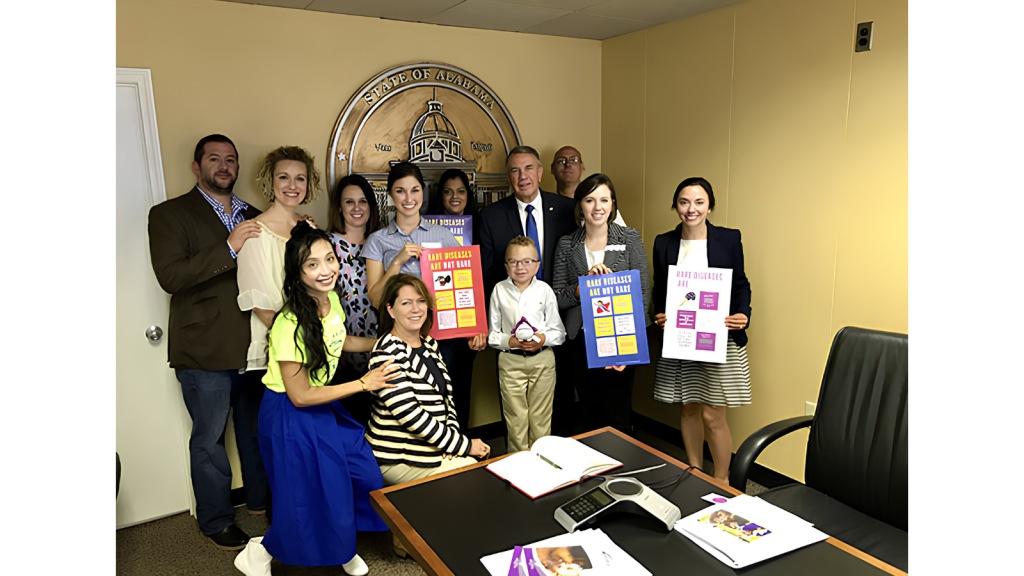
Raising public awareness is key to increasing support and enthusiasm for newborn screening programs. Learn how to share your newborn screening story, submit a letter to the editor, and reach out to your local media.
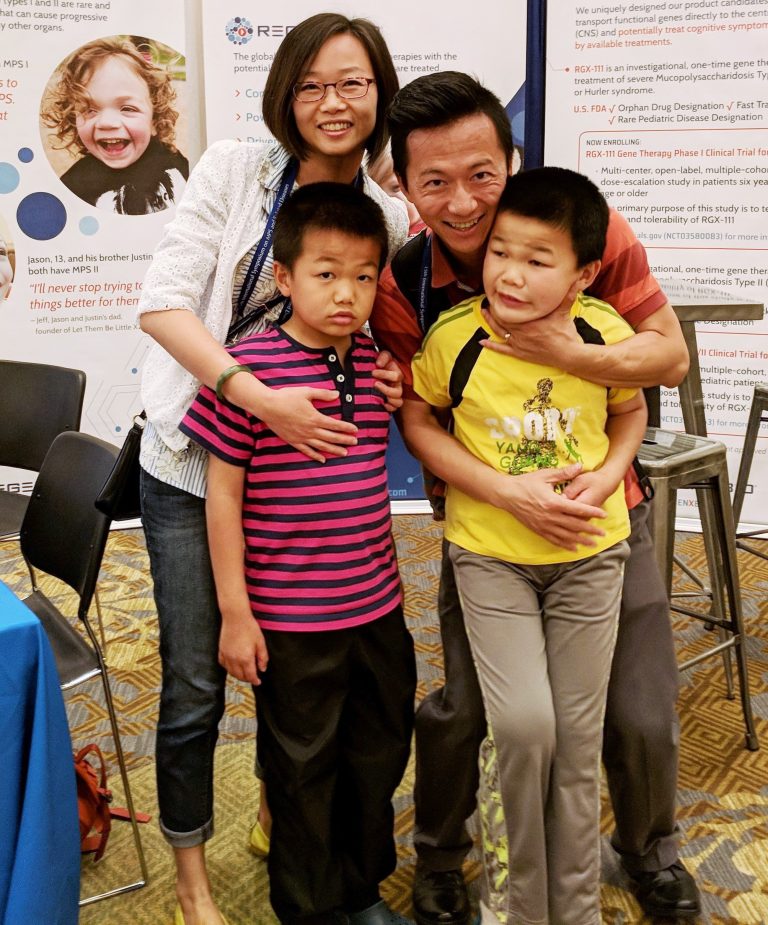
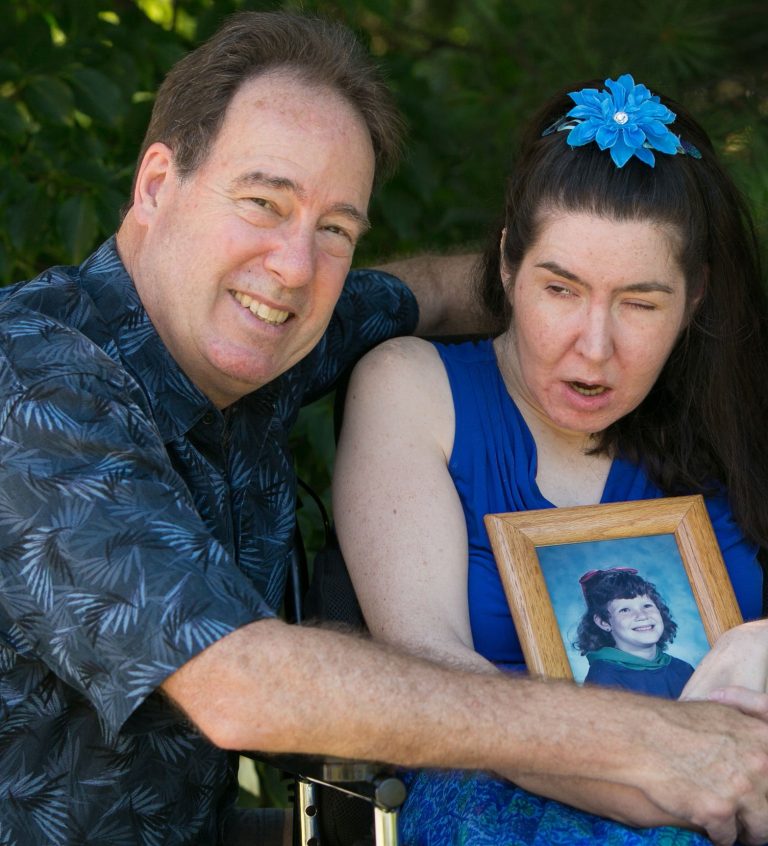
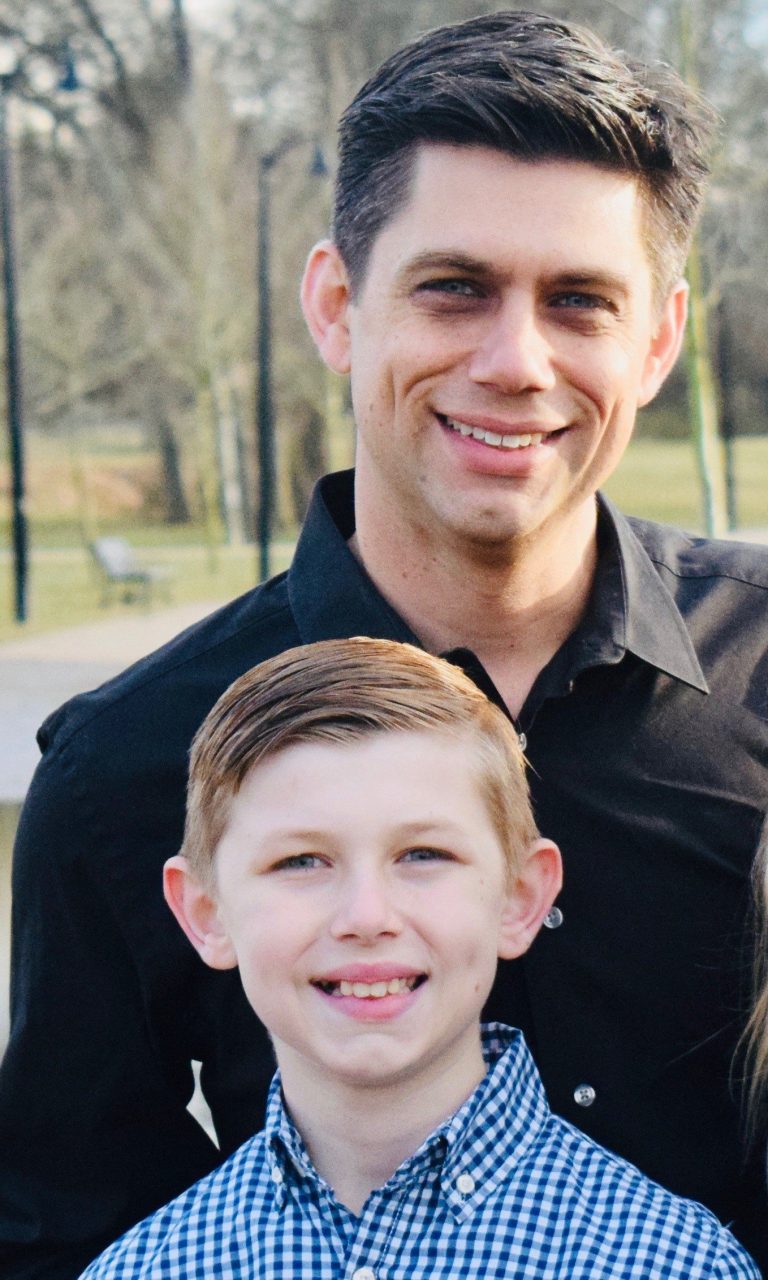
Newborn Screening Stories

Related Updates
Newborn Screening Sponsors
Governor
Lieutenant Governor
State Representative

Assembly Member

Council Member


Help us amplify the voices of the rare disease community to drive meaningful change and influence policy.