It’s really important that people like myself will have that option of telemedicine visits because asking us to drive may put us in danger.
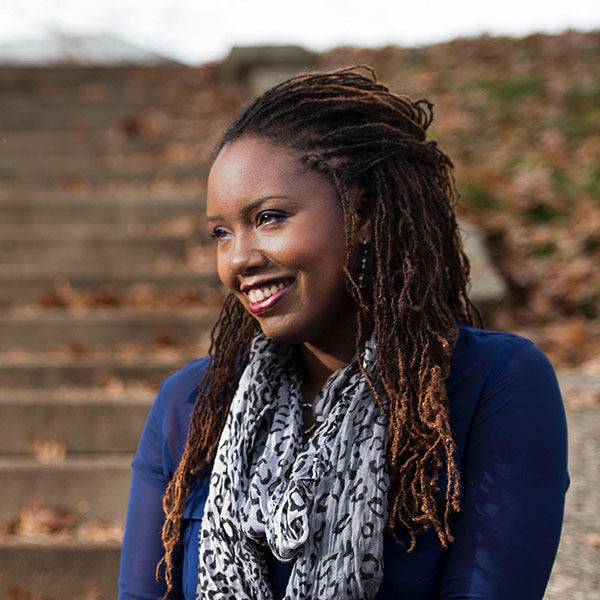
Hi, my name is Nicole and I have Narcolepsy.
I was diagnosed with Narcolepsy when I was sixteen years old and I fell asleep at the kitchen table. At the time we did not know that I had Narcolepsy, but my dad [had seen] a Sixty Minutes Story about Narcolepsy recently and so the next day he talked to me about getting tested.
Once I was diagnosed and treated, my grades went my up [and my] ability to do things after school improved. Of course, I was at that age where it was time to get a drivers license, and instead of being the passenger in the car, I was able to drive [knowing] I was going to be able to be safe on the road. I ended being able to do really well in school and now I have a PhD, I’m a professor at the University of Houston-Victoria, and I teach communications.
I really appreciate this opportunity for sharing my story [but] I also have to share that the journey has not been without barriers and bumps. In many states falling asleep is grounds for being fired and I have had experiences like that in life –where the managers and employers have been able to make assumptions about the nature of sleepiness–and that’s because many people will view day time sleepiness as a signal: that someone spent the night partying, that somebody does drugs or that somebody isn’t spending their time like they should.
This is something that impacts people with narcolepsy, and I’m sure something that impacts people with other conditions that are connected to fatigue, so it’s important that we be able to talk about that experience. These days I’m writing a lot about self-love, because it can be a big challenge for people who often have these kind of conditions and experiences where they are fundamentally devalued. I think that many people with rare conditions may also struggle with appreciating and loving themselves. As a patient advocate, I am enthusiastic about making sure that the home health and telemedicine options that have been expanded due to the pandemic continue to remain in place. It’s really important that people like myself, who may have difficulty driving, will have that option of telemedicine visits; because asking us to drive may put us in danger. So, it’s really important that insurance companies and legislatures understand how important the changes have meant to the lives of people who have rare conditions.
Hola, mi nombre es Nicole y tengo Narcolepsia.
Me diagnosticaron Narcolepsia cuando tenía dieciséis años y me quedé dormido en la mesa de la cocina. En ese momento no sabíamos que tenía Narcolepsia, pero mi padre [había visto] una historia de sesenta minutos sobre la narcolepsia recientemente y por eso al día siguiente me habló de hacerme la prueba.
Una vez que me diagnosticaron y me trataron, mis calificaciones subieron [y mi] capacidad de hacer cosas después de la escuela mejoró. Por supuesto, yo estaba a esa edad donde era el momento de obtener una licencia de conducir, y en lugar de ser el pasajero en el coche, pude conducir [sabiendo] que iba a ser capaz de ser seguro en la carretera. Terminé siendo capaz de hacerlo muy bien en la escuela y ahora tengo un doctorado, soy profesor en la Universidad de Houston-Victoria, y enseño comunicaciones.
Realmente aprecio esta oportunidad de compartir mi historia [pero] también tengo que compartir que el viaje no ha estado exento de barreras y baches. En muchos estados dormirse es motivo para ser despedido y he tenido experiencias como esa en la vida -donde los gerentes y los empleadores han sido capaces de hacer suposiciones sobre la naturaleza de la somnolencia- y eso es porque muchas personas verán la somnolencia diurna como una señal: que alguien pasó la noche de fiesta, que alguien hace o drogas que alguien no está pasando su tiempo como debería.
Esto es algo que afecta a las personas con narcolepsia, y estoy seguro de que algo que afecta a las personas con otras condiciones que están conectadas a la fatiga, por lo que es importante que podamos hablar de esa experiencia. Hoy en día escribo mucho sobre el amor propio, porque puede ser un gran desafío para las personas que a menudo tienen este tipo de condiciones y experiencias donde están fundamentalmente devaluadas. Creo que muchas personas con enfermedades raras también pueden tener problemas para apreciar y amar a los niños. Como defensor de los pacientes, me entusiasma asegurarme de que las opciones de salud y telemedicina en el hogar que se han ampliado debido a la pandemia sigan vigentes. Es muy importante que personas como yo, que pueden tener dificultades para conducir, tengan esa opción de visitas de telemedicina; porque pedirnos que conduzcamos puede ponernos en peligro. Por lo tanto, es muy importante que las compañías de seguros y las legislaturas entiendan lo importante que han significado los cambios para la vida de las personas que tienen condiciones raras.