I am so grateful for newborn screening so we could be more informed, so we could understand this disease before she shows symptoms, so we don’t waste years waiting for a diagnosis when every day counts.
Christina Frigo was seven months pregnant in the summer of 2016, when the first case of mosquito-borne Zika virus was contracted within the United States – just blocks away from her Miami home.
She and her husband Scott decided to be cautious and relocate temporarily to Chicago, her childhood home. In September, they had a beautiful baby girl with dark hair and a dimple on her chin. They named her Ada.
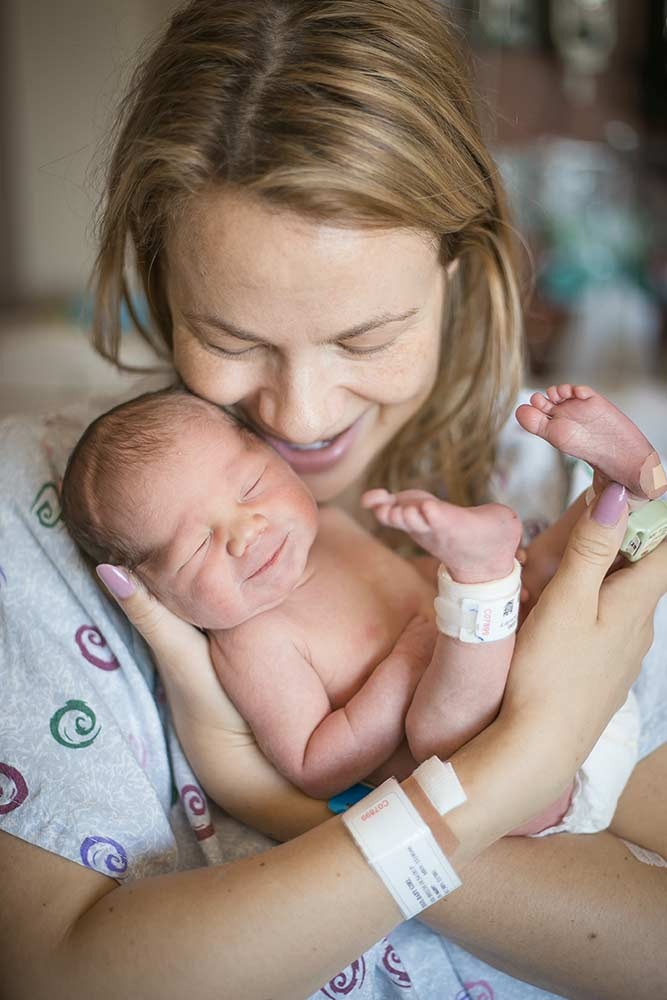
They were relieved to have escaped Zika, but when Ada was 10-days old they learned she had screened positive for a rare disease. Christina received a phone call from the Illinois Department of Public Health saying Ada had been flagged for Pompe, a glycogen storage disease that causes muscle and nerve damage. A Google search revealed that some infants with the disease do not live past their first birthdays. Christina and Scott were terrified.
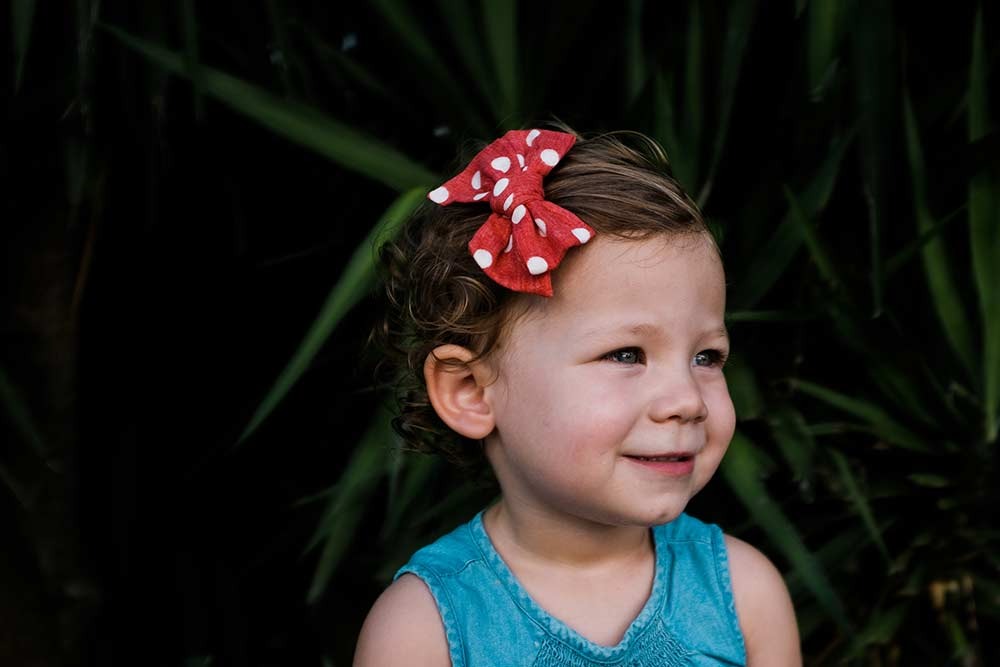
Follow-up testing confirmed the diagnosis but showed that the mutation Ada has is associated with milder symptoms and later-in-life onset. More than two years later, Ada is a healthy, opinionated toddler, learning new words every day. Doctors monitor her routinely to make sure her heart and lungs and muscles are developing normally.
At the same time, Christina has become an advocate for expanding access to newborn screens for rare diseases. For many people with rare diseases, the path to diagnosis stretches from months to years as painful or deadly symptoms progress.
“It’s unethical to put people through a diagnostic odyssey when there is an alternative,” Christina said.
Newborn screening involves a heel-prick blood test within the first hours of life. The registry of diseases included in each screen varies: While some states screen for fewer than 30 diseases, others screen for more than 60. Without treatment, any of these diseases can cause lifelong health problems or early death.
If Ada had been born in Miami, her hometown, she would not have been screened for Pompe. Christina feels lucky that she was born in another state, where she was able to get an early diagnosis. That means her daughter can begin treatment immediately, through enzyme replacement therapy, if symptoms arise.
“It may have saved Ada from years of pain and saved us from years of unanswered questions and heartache,” she said.
She spoke before Florida’s Newborn Screening Committee last year, which voted unanimously to add Pompe to the state’s newborn screening panel. Now she wants to help parents in other states so that each of the 4 million children born in the United States each year has an equal shot at early detection and care.
During her first meeting with a genetic counselor, Christina recalls worrying that it would be too painful to know that her seemingly healthy child was carrying a rare disease.
“How am I supposed to live thinking that every time she falls down, it’s her muscles failing, or every time she sounds out of breath, it’s a symptom of this disease,” she recalled telling her.
The benefit of early detection, the counselor told her, is that a medical team will monitor her from the start. “We will be the ones to worry about her,” she told her.
Christina took that response to heart. These days, she focuses on being a mother to a growing toddler, knowing she has a support system to help.