Rare Disease Advocacy in New Jersey
Rare disease advocacy in New Jersey is critical to improving access to diagnostics, treatment, and coordinated care. Because key healthcare decisions are made at the state level, strong local advocacy helps ensure better coverage, resources, and outcomes for the rare disease community across New Jersey.
Jump to:
State Organization
Currently this state does not have a state organization.
For more information, please reach out at advocacy@rareadvocates.org.
U.S. Congress Scorecard
See how New Jersey’s Members of Congress are supporting the rare disease community with this Legislative Scorecard.
RARE Disease Advisory Council
An Advisory Council was established in 2021.
See more information on established rare disease advisory councils.
Rare Disease Caucus
Current Bipartisan Rare Disease State Legislative Caucuses.
Don’t see your state? If you would like to be part of the process to start a rare disease state caucus, please reach out at advocacy@rareadvocates.org.
Newborn Screening in New Jersey
Newborn screening programs vary widely by state, leading to disparate health outcomes. While some states screen for thirty diseases, other states screen for over sixty.

RARE Young Adults
RARE Young Adults brings together motivated members of the rare disease community, ages 16–30, to build confidence, strengthen advocacy skills, and create meaningful impact in public policy.










New Jersey Advocacy Resources
Insurance Commissioner
- Susan Ochs
susan.ochs@dobi.nj.gov
Department of Insurance
Board of Pharmacy Executive Director
- Anthony Rubinaccio
rubinaccioA@dca.lps.state.nj.us
Health and Human Services
- Medicaid in New Jersey
- Contact: Greg Woods, 609-588-2600
Department of State Health Services
COVID-19 Resources
State Legislature Calendar
State Legislature Website
Drug Utilization Board or P&T Committee
- DUR Board Website
- Meeting Schedule: Meets quarterly (check website for schedule of meetings).
- Contact
- Established DUR Boards and P&T Committees
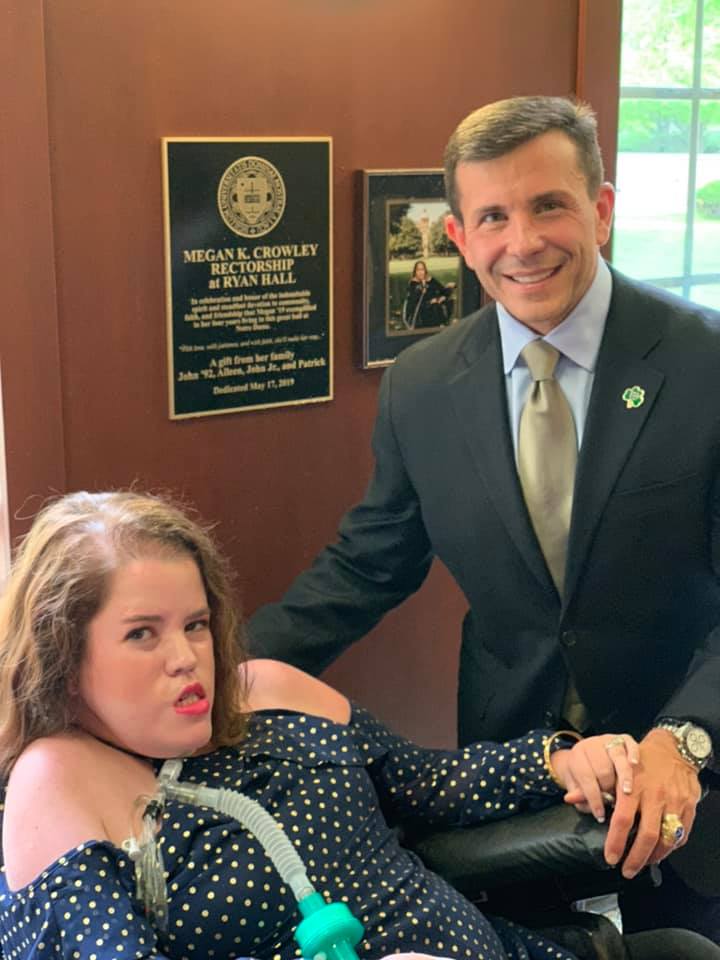
Joseph’s Story
"The personal experience is more difficult at times than the medical – financial stress, parental stress over diagnosis, next steps, insurance, the physical toll and the amount of time spent travelling to appointments, and of course, the stress over the future."