In Partnership with The Human Rights Campaign HIV and Health Equity Program
You have heard it before, but it’s true: many voices are louder than one single voice. This is the power of advocacy.
Using your voice, sharing your rare disease story, and joining with others to amplify the message, brings the needs of the rare disease community to the attention of local, state, and federal government officials.
To address health disparities and change the system, health and government officials need to hear your voice. Diverse rare disease communities need advocates like you to ensure that policymakers and legislators are aware of the challenges facing underserved rare disease patients and caregivers, from getting a diagnosis to accessing treatments and cures. Without your perspective, legislators can’t effectively support policies that help you, your families, or others with rare diseases.
Visit the RARE Advocates website to find more resources and opportunities to join others in raising your voice for rare diseases and your community. Please join other advocates like yourself today in getting active and informed.
Understanding the health and equity issues facing your community can help you become more empowered to confront the challenges and barriers to care that exist. On the next page is more information on how rare disease impacts our most underserved communities, and how health disparities shapes the diagnostic, treatment, and curative process for those living with rare diseases.
Impact of Rare Diseases
In the United States, at least 30 million Americans are living with one or more rare disease. A disease is defined as rare when it affects fewer than 200,000, with an estimated 10,000 different diseases falling under the rare classification according to the Center for Advancing Translational Sciences.
Health Disparities
Underserved communities with rare diseases face increased barriers to care due to underdiagnosis and underrepresentation in research spaces.
- Communities with pre-existing risks to certain conditions, such as the Black and Latino communities that face increased incidence of kidney failure, are especially vulnerable.
- Certain rare diseases, like: sickle cell, amyloidosis, FSGS, and other rare kidney diseases also possess a higher prevalence in underserved communities.
Minority Participation in Clinical Trials
Despite higher risk and prevalence for certain diseases, racial and ethnic disparities still exist in clinical trial participation. According to the FDA Drug Trial Snapshots 2015–2018:
- Despite Black Americans being twice as likely to develop prostate cancer, only 3% of prostate cancer clinical trial participants were Black between 2009 and 2015.
- Asian-Americans represented 1.7% of the clinical trial patient population for at least 70% of total drugs tested in the United States, despite representing 5.9% of the population.
- Almost 2/3 of drug trials prior to 2018 didn’t feature any Native American or Alaska Native participants.
Pandemic
The COVID-19 Pandemic created more hurdles for rare disease patients and communities of color with compromised immune systems. According to the Color of Coronavirus survey from APM Research Lab, minority communities are at an increased risk for COVID-19 fatality.
Due to COVID-19, transgender, and LGBTQ health services have experienced strain and personnel reassignment.
Rare Disease and HIV/AIDS
While the current patient population sits above 1.2 million, the HIV/AIDS epidemic began in the United States as a rare disease—affecting fewer than 200,000 individuals.
- HIV/AIDS activists paved the way for patient advocacy and a new form of engagement with the FDA, leading to the passage of the 1992 Prescription Drug Fee Act (PDUFA).
- PDUFA supplements FDA resources through ‘user fees’ paid by biopharmaceutical companies for key agency efforts that support and enhance FDA regulatory review infrastructure, and shorten product review timelines.
- Up for reauthorization again in 2022, PDUFA has transformed product patient community engagement within therapy development, especially within rare diseases.
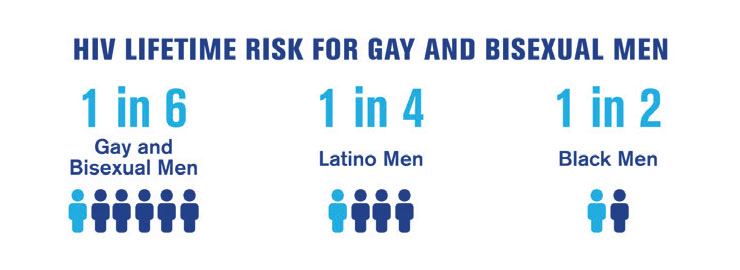
While AIDS is no longer considered a rare disease, certain communities affected by HIV face additional underlying risks and vulnerabilities, including developing rare diseases associated with medications or treatments for HIV.
- In addition to other underlying health risks, Black transgender women are at least 3 times more likely than other transgender women to be diagnosed with HIV, and Latinx transgender women are at least 1.5 times more likely.
Barriers to care may also be multiplied by social stigma, inequality, and unconscious bias, leading to underdiagnosis for LGBTQ+ members of the rare disease community:
- According to the Williams Institute, via Human Rights Campaign (HRC), 39 percent of bisexual men and 33 percent of bisexual women reported not disclosing their sexual orientation to any medical provider.
- Transgender adults are also three times as likely to delay receiving health care as cisgender adults.
- In addition to facing additional underlying health risks, bisexual women have higher rates of breast cancer and all cancers than the general population of women, including rare cancers.
- HPV also carries an increased risk for rare diseases, including Anal Cancer, Bowen’s disease, and Recurrent Respiratory Papillomatosis.