Diversity at Home
Developing a diverse staff and board that includes underserved communities is imperative and necessary for improving diversity and inclusion. With 79% percent of new board members for S&P 500 companies coming from a diverse background, the need for diversity in leadership and outreach is being realized now more than ever. Reasons include:
- Diversity in background in the boardroom creates diversity in ideas and in resolving challenges.
- Diverse individuals understand cultural and linguistic barriers, enabling better outreach to underserved communities.
Surveying the Field
Before embarking on any diversity initiatives, it’s important to understand how well your organization is performing with underserved communities. In order to build diversity goals and benchmarks, it’s necessary to collect ethnicity, racial, and gender data from all programs. Ethnicity responses in registrations should take cues from census groups, with room for additional ethnicity options as needed. Information gathering opportunities include:
- Webinar sign-ups.
- Signature or yearly outreach events.
- Events involving outside organizations and work groups.
Benchmarking and Targeting
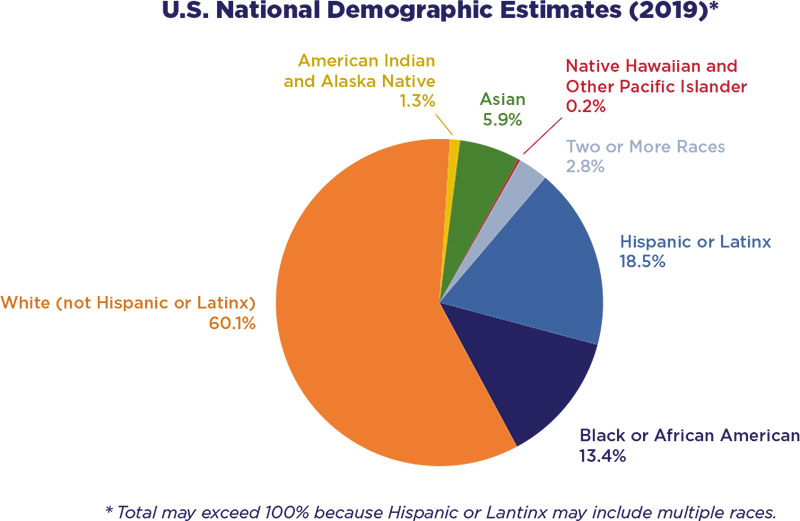
Following data collection, organizations can compare how diverse their programs are to national demographic estimates for minority and underserved communities (i.e. US census data).
- Strategies can then be developed that incorporate tools to overcome possible cultural, linguistic, and corporate barriers.
- Benchmarks should be short-term improvement plans with long-term goals and yearly benchmarks that are attainable for underserved participation.
Importance, Keeping Track, and Tools
To ensure that diversity goals are achieved, it’s important to keep measuring the race and ethnicity of program participants after initial sampling. Tools organizations can use to improve diversity include:
- Offering multi-lingual language options for event and project materials.
- Press outreach to minority and non-English language newspapers.
- Engaging LBGTQ, Minority Health, Ethnically Biased Disease Organizations in increasing engagement with underserved communities.