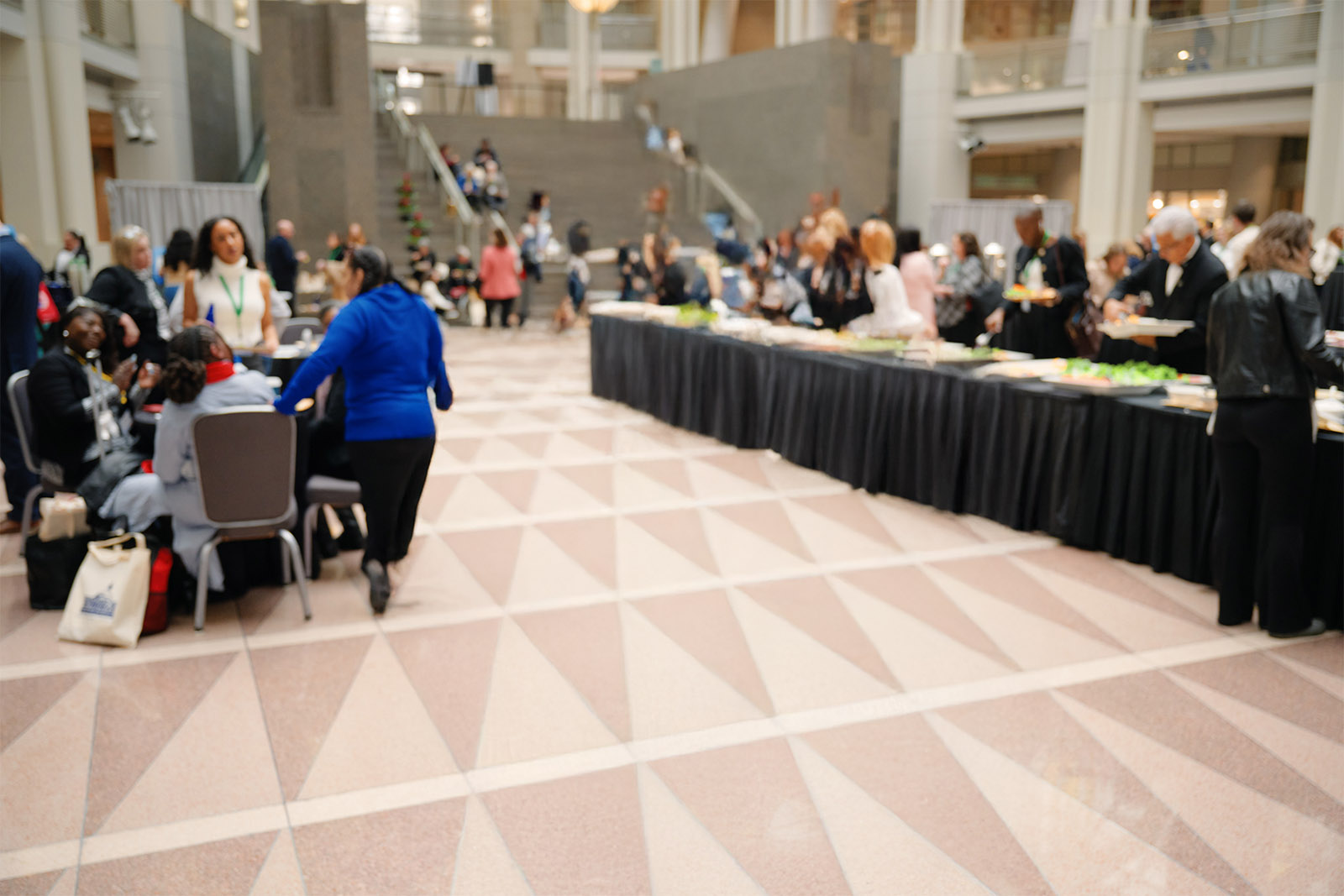
On October 16th, the Reagan-Udall Foundation and the FDA hosted hundreds of rare disease advocates online and in-person for “Advancing Rare Disease Therapies Through an FDA Rare Disease Innovation Hub.” The meeting aimed to bring together rare disease patient advocates, academic researchers, regulated industry, and other key stakeholders to discuss how the recently announced Rare Disease Innovation Hub (the Hub) should prioritize its work and best engage with members of the rare disease community. Since 2018, the EveryLife Foundation has actively advocated for the FDA to coordinate, streamline, and improve the regulatory process for rare disease therapeutics via an inter-center institute. We commend the agency for taking the important step forward by creating the Hub. We are grateful that the FDA is seeking feedback early in the formation of the Hub, including from the most invested stakeholders – patients with rare diseases – and we hope this is the first of many opportunities for public engagement.
Attendees heard from FDA staff, including the Directors of the Center for Drug Evaluation and Research (CDER) and Center for Biologics Evaluation and Research (CBER), Drs. Patrizia Cavazzoni and Peter Marks, and a broad range of stakeholders during the public comment portion of the meeting. Drs. Cavazzoni and Marks discussed the Hub’s goals and the reasoning behind its structure. With over 50 percent of all products in each center now having rare indications, they felt keeping staff in their current roles and having them collaborate across teams while retaining existing reporting structures would avoid disruptions and be more effective. Drs. Marks and Cavazzoni said that the Hub plans to expand cross-talk and create a structure to enhance visibility and transparency in their efforts. They added that the Hub will also form workstreams around cross-cutting regulatory science topics that will enable teams from each center to collaborate, share, learn, and keep evolving.
Drs. Cavazzoni and Marks also emphasized the Hub’s role in enhancing external collaboration and fostering community within the rare disease space by providing a “single point of entry” for rare disease stakeholders and implementing more transparency to the public on the agency’s approach and review of therapies for rare diseases. As the FDA works to get the Hub up and running, its primary focus is hiring a Director who will, among other things, develop a strategic plan for the hub, ensuring it aligns with the needs and priorities of the rare disease community. They noted that the public comments shared during the day’s meetings and the written comments received by the agency will be critical to informing these efforts.
The Reagan-Udall Foundation received requests from over 200 stakeholders to provide public comments during the meeting. Over 30, including the EveryLife Foundation, were selected to share their perspectives on what the Hub should prioritize. Many speakers discussed the need for the Hub to facilitate better innovative trial designs that consider the unique circumstances of rare disease patients. Others highlighted the need for consistent and coordinated approaches to regulatory standards across FDA centers, divisions, and therapeutic modalities. Another recurring theme was the need to develop tools and strategies that can be leveraged across groups of rare diseases and to catalyze novel innovations around statistical methods, endpoint advancement, and other techniques. Speakers also discussed the importance of patient experience data, natural history studies, and real-world data and emphasized the need for patient engagement frameworks to better integrate patient advocacy organizations’ perspectives.
We were excited to hear about the ways the FDA is working to ensure that the Hub is successful in its mission. As the agency continues to develop the Hub’s structure and priorities, it will be important that the rare disease community stays engaged to provide feedback and accountability. FDA is still collecting written comments through October 31, 2024, which can be submitted here.
We look forward to sharing more updates and opportunities for engagement as the agency continues to work to stand up the Hub, and we appreciate all your advocacy efforts that helped make it a reality!