What is Accelerated Approval?
The accelerated approval (AA) pathway allows FDA to use a surrogate endpoint (also called a biomarker) to evaluate the safety and efficacy of therapies for serious conditions with unmet needs. By evaluating a surrogate endpoint that is reasonably likely to predict clinical benefit, the AA pathway allows patients to access treatments at the earliest possible moment while ongoing research is conducted to verify the expected clinical benefit.
Accelerated approval was established in 1992 when HIV/AIDS was destroying lives and communities. It is safe, effective, necessary, and working to deliver better health to those in dire need.
Find out the difference and why protecting and strengthening the accelerated approval pathway is critically important for the rare disease community. Thank you to our partners at The Partnership to Fight Chronic Disease for producing this explainer video.
The accelerated approval pathway is working as intended: delivering better health to those in dire need. We must value and protect it for the benefit of patients where the opportunities of accelerated approval have yet to be realized.
Annie Kennedy
RARE Foundation, Chief Mission Officer

Accelerated Approval Works
The accelerated approval (AA) pathway transformed outcomes in HIV/AIDS and has led to an explosion of therapeutic options in oncology. While the true promise of the AA pathway to transform rare disease outcomes has yet to be unleashed, there are many examples showcasing the importance of the early accelerated approvals to catalyzing progress in the disease.
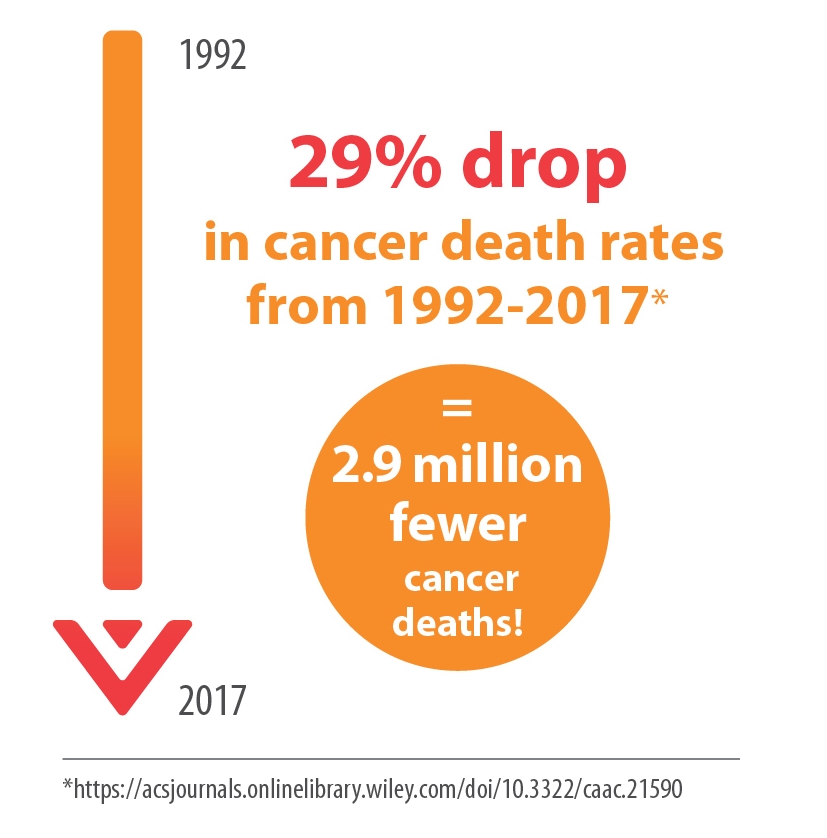
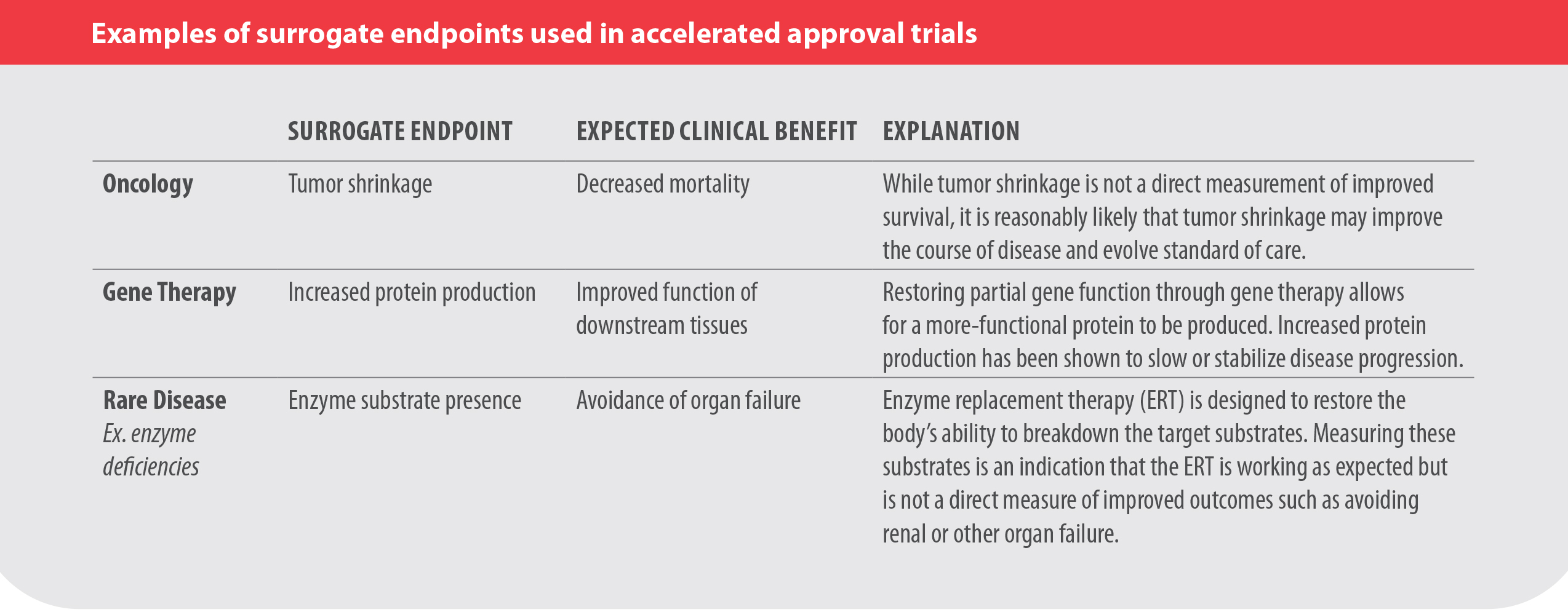
What are Surrogate Endpoints?
Surrogate endpoints:
- Often called biomarkers or surrogates.
- Validated measures backed by science.
- Measure outcomes that are reasonably likely to predict clinical benefit.
- Allow for shorter clinical trials and earlier access to treatments when, in many cases, a clinical outcome such as survival or lung function would take months or years to demonstrate.
- Can have advantages over the use of clinical outcomes.
In many diseases, surrogate endpoints can more accurately capture real-time disease progression or improvement.
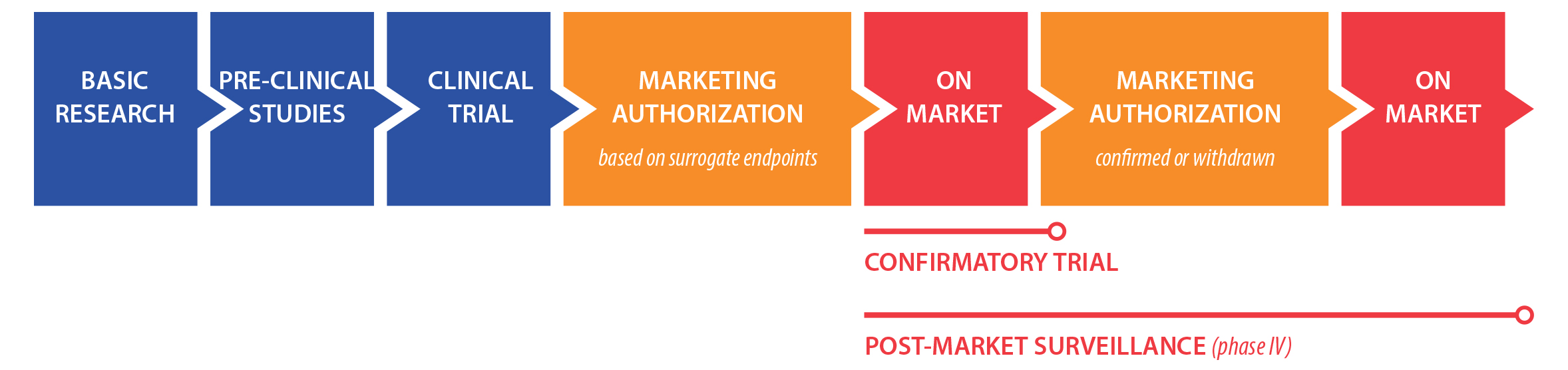
How does Accelerated Approval Work?
- Application: standard 10-month review (unless expedited by a fast track/priority review designation) for efficacy, effectiveness, and safety.
- Approval: FDA grants accelerated approval with specified timeline for required confirmatory trial(s) and post-market surveillance.
- Post-accelerated approval: confirmatory studies (called “phase 4 confirmatory trials”) conducted. From here, the FDA can convert the accelerated approval to a full, traditional approval if the drug confirms clinical benefit. If no clinical benefit is shown, the FDA has the regulatory authority to remove the drug from the market.
To learn more about the accelerated approval process visit the FDA’s website.
Myths vs. Facts
Myth
The accelerated approval pathway is not as rigorous as traditional approval.
Fact
Accelerated approval is NOT a lower standard. Treatments approved via the AA pathway are subject to the same statutatory standards for proving safety and efficacy as traditional drug approvals.
Myth
Surrogate endpoints are inferior to clinical outcome measures.
Fact
Surrogate endpoints can have advantages over clinical outcomes, especially in cases where they can more accurately capture real-time disease progression or improvement.
Myth
Treatments approved via the accelerated approval pathway are responsible for increases in state Medicaid spending.
Fact
Spending on drugs approved via the accelerated approval pathway accounted for less than one percent of annual Medicaid spending between 2007 and 2018.
Myth
Treatments approved via the accelerated approval pathway should be considered experimental.
Fact
Treatments approved via the accelerated approval pathway are NOT experimental and policies that treat them as such diminish Congress’ intent in creating the pathway and exacerbate health inequity.
Now is the Time to Act
95 percent of rare diseases still have NO approved treatments. The rare disease community deserves resources and innovative solutions that match the urgency and unmet need of the diseases we are living with and their staggering costs. NOW is the time to realize the promise of accelerated approval to advance therapies for patients with rare diseases, and Congress should encourage reforms that unleash this potential, not slow it down.
Sign up for Action Alerts with the RARE Foundation and stay updated on our latest policy priorities.
Help us amplify the voices of the rare disease community to drive meaningful change and influence policy.